Acne can affect anyone, regardless of gender or age, and can affect numerous parts of the body or face. Usually, it strikes between the ages of 12 and 24, but people older than this can have adult acne too. Scientists have looked into claims that one particular vitamin, Zinc, can clear up acne, but the results of studies show there is no magic pill. They did find that skin cells react well to good diet and hygiene, which seems common sense to me.
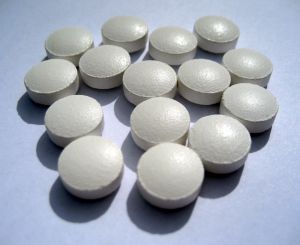
Using multiple vitamins can help improve the condition of the skin in people who have a diet that is lacking in these vitamins and minerals.
One mineral that has proven itself to be a good acne treatment is Zinc (¹,²,³). It does a number of things in the body, from helping skin cell creation to healing wounds and treating acne.
Studies have proven that it helps to regulate insulin levels and DNA replication. To put it simply, zinc plays a role in the most important bodily functions.
Using Zinc To Treat Acne
Zinc works for acne because it helps to lower oil production inside the skin. It acts in a similar way to the antibiotic tetracycline, which also regulates oil production.
You can take zinc in a few different forms. There are oral treatments in the form of zinc gluconate or sulfate. Another form is a small tablet called zinc picolinate, which combines it with natural salt. Of course, you can always boost your levels by getting more in your diet by means of foods like:
- white meat
- nuts
- seeds
- and legumes.
Clinical evidence
Clinical proof that it works for reducing acne is not readily available, but there are a few studies into the use of zinc for acne. They conclude that it has a minor effect on improving acne lesions. That said, it is relatively safe and side-effect free compared to medical acne treatments like Accutane, so there is little danger in trying it.
It is important not to take a copper supplement with zinc because it stops it from working, and you should not take more than 40mg a day. In other words, you shouldn’t “megadose” vitamins to get better results, as this can cause unwanted side effects. Just 8mg is the recommended dose for women over 18.
The optimum time to see results on acne from daily supplementation is three months.
Is There a Better Option?
One highly effective option, or a powerful addition to a supplement like zinc, is a comprehensive anti-acne skincare system such as the ClearPores Two-Step Kit.
Unlike many spot treatments that only address surface-level breakouts, ClearPores is designed to treat acne at the root cause, both internally and externally, making it a standout choice for anyone serious about clearing their skin.
The kit combines a deep-cleansing facial/body wash with a natural daily herbal supplement.
- The cleanser uses plant-based ingredients like salicylic acid to deeply cleanse pores, remove dead skin cells, and balance sebum production. It also helps restore your skin’s natural pH level, something many harsh chemical treatments disrupt, making your skin less prone to irritation and breakouts.
- The supplement, taken once daily, works from the inside out to help calm inflammation, regulate oil production, and support your skin’s overall health with powerful botanicals.
Together, this internal-external approach makes ClearPores a true all-in-one system for fighting acne, not just on the face, but on the body too. It’s gentle enough for sensitive skin, yet effective enough to tackle stubborn blemishes and flare-ups.
For anyone looking for a natural yet science-backed routine that doesn’t rely on synthetic medications or harsh drying agents, ClearPores is my top-rated anti-acne kit, and a smart, skin-friendly solution worth trying.
Click here for my full ClearPores review
How Zinc Compares to Other Acne Treatments
Zinc may not be a miracle cure, but it definitely earns a place in the acne-fighting lineup, especially if you’re dealing with mild to moderate breakouts or want to support your skin naturally.
Compared to stronger treatments like Tazorac, topical retinoids, or oral antibiotics, it is generally gentler on the body, with fewer side effects. It doesn’t dry out your skin the way some topical products can, and it doesn’t disrupt hormones like birth control or spironolactone might. It’s also far less intense than something like Accutane, which requires regular lab work and strict precautions.
That said, zinc is usually not enough for severe cystic acne on its own, but it can be a helpful add-on to a larger skincare or supplement routine, especially if you’re looking for a more natural path or trying to wean off harsher treatments.
Is Zinc Right for You? A Quick Guide
Zinc can be a great option for some people, but it’s not for everyone. Here’s a quick breakdown to help you figure out if it might be a good fit:
You might benefit from zinc if you:
- Have oily, inflamed, or hormonal breakouts
- Prefer a supplement-based or natural approach
- Want to support skin from the inside out
- Tend to get sick often (it also supports immune function)
You might want to skip it (or talk to your doctor first) if you:
- Are already taking other mineral supplements
- Have a sensitive stomach (it can cause nausea if taken on an empty stomach)
- Are pregnant or breastfeeding (doses need to be adjusted carefully)
- Have a copper deficiency (zinc can worsen it over time)
As always, if you’re unsure, it’s a good idea to run it past your GP or dermatologist, especially if you’re on any medications or have underlying health conditions.
FAQs & Real-World Tips
How long does it take for zinc to help with acne?
Most people notice small improvements in about 2-4 weeks, but clearer skin usually takes 8-12 weeks of consistent use. Be patient, it’s a slow-burner!
Can I take it with birth control?
Yes, zinc is generally safe to take alongside hormonal contraceptives, but you should still let your doctor know, just to be sure there are no nutrient absorption issues or conflicts.
Is topical zinc effective?
Topical treatments (like in zinc oxide creams or zinc PCA serums) can help calm redness, reduce oil, and fight bacteria. It’s especially useful for sensitive skin or when oral supplements aren’t tolerated well.
Real-life insight:
Many users who’ve struggled with side effects from harsher acne medications say that zinc gave them a gentle but noticeable improvement, especially when combined with a clean diet and consistent skincare routine. It’s not a cure-all, but for some, it’s a real game-changer.
References
(1) Oregon State University, Linus Pauling University; Zinc
(2) MayoClinic.com; Acne
(3) University of Maryland Medical Center: Zinc
Last Updated on July 11, 2025 by Aileen



Leave a Reply