Accutane (a popular brand of Isotretinoin) is a prescription drug used only to treat severe cases of acne, because of the Accutane risks and side effects it can have. That is, it is typically only used in acne that is causing nodules and cysts to appear.
All spots are caused by oil blocking pores and leading to skin lesions called pimples. If these pimples last for a very long time and become hard, they are called nodules. Large, lumpy, pus-filled acne lesions are known as cysts.
While cysts can be drained by a doctor for relief, Accutane is often prescribed to treat cysts from the inside out.
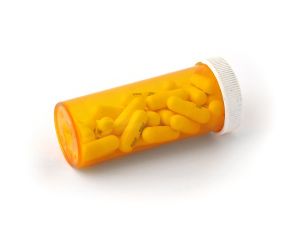
Sounds good so far, but Accutane is renowned for having very serious side effects that can be worse to deal with than having acne. Before you can be prescribed it, your doctor has you sign a waiver stating you are aware of these side effects and accept the Accutane risks. You can only get Accutane if you agree to sign this.
How Accutane Works & When It’s Prescribed
Accutane, the brand name for isotretinoin, is a powerful oral medication primarily prescribed for severe or treatment-resistant acne, including nodulocystic acne that hasn’t responded to antibiotics or topical treatments.
It works by shrinking the sebaceous (oil) glands, significantly reducing sebum production, and helping prevent clogged pores. It normalizes skin cell turnover and reduces inflammation, which contributes to fewer breakouts and improved skin clarity.
Accutane is often considered a last-resort acne treatment, but when used properly under medical supervision, it can lead to long-term or even permanent remission of acne.
Accutane Risks and Side Effects
The Worst Accutane Risk
Accutane has an effect on reproductive processes, which can lead to birth defects¹ in children or miscarriages. Still and premature births have been linked to Accutane use. Because of this risk, you cannot be prescribed Accutane if you are pregnant or are trying to conceive. Additionally, a doctor will probably want you to use hormonal birth control if you are a woman who wants to use Accutane.
Mental Side Effects
As well as physical side effects, there are psychological effects. Depression and anxiety have both been demonstrated to have a strong link to Accutane usage, with, sadly, many cases of suicide being linked to the use of this medicine². Other mental side effects include social withdrawal, anger, and irritability.
Skin Side Effects
Then there are the visible side effects. Some people think the risks of Accutane are worth it if the end result is clear skin. But what they don’t realize is that many people who use Accutane are left with cracked, bleeding skin that looks worse than before treatment.
Despite its reputation as being a wonder drug for acne, another Accutane risk is that it does not clear up everyone’s skin who takes it. So you could put your body through the harsh side effects with no real result at the end of the process.
Some users report less common side effects that affect vision, nervous system function, or sexual health. These are often underreported but can be distressing when they occur.
Vision-Related:
- Dry eyes and irritation
- Night vision impairment
- Light sensitivity (photophobia)
These effects may persist beyond treatment for some individuals, especially night blindness.
Neurological:
- Headaches and dizziness
- Rarely, signs of pseudotumor cerebri (increased pressure inside the skull), which can cause vision changes, nausea, or ringing in the ears
Sexual Side Effects (Less Common, Under Investigation):
- Reduced libido
- Erectile dysfunction or delayed arousal in men
- Vaginal dryness in women
While these side effects aren’t as well studied, ongoing research and patient reports have prompted regulatory agencies in Europe and the UK to call for more transparency and post-treatment monitoring.
Common vs Serious Accutane Risks & Side Effects
While many users experience dramatic skin improvement on Accutane, the drug comes with a long list of potential side effects – some common, others more serious and rare.
Common Side Effects:
- Dry lips and skin
- Nosebleeds
- Dry eyes or blurry vision
- Muscle or joint pain
- Sun sensitivity
- Thinning hair
These effects are usually temporary and improve after stopping treatment, but they can be uncomfortable during the course.
Serious Accutane Risks:
- Liver enzyme elevation
- Increased cholesterol and triglyceride levels
- Gastrointestinal issues (rare, but concerns around IBD have been raised)
- Mood changes
- Hearing or vision changes
Because these risks vary in severity and frequency, patients on isotretinoin require close medical monitoring to catch complications early.
Monitoring and Lab Tests During Accutane Treatment
Accutane isn’t a “take it and forget it” medication – it requires routine medical supervision throughout the course of treatment. Most dermatologists follow safety protocols that include:
Blood Work (Before and During Treatment):
- Liver function tests (ALT, AST)
- Cholesterol and triglycerides
- Complete blood count (CBC)
These are typically checked at baseline, then monthly or bi-monthly, depending on dosage and risk factors.
Pregnancy Testing:
- Because isotretinoin can cause severe birth defects, women of reproductive age are required to have:
- A negative pregnancy test before starting
- Monthly tests during treatment
- At least one follow-up test after stopping
- Participation in the iPLEDGE program (U.S.) is mandatory, which includes using two forms of birth control.
Additional Check-Ins:
- Regular dermatologist visits to assess side effects, mental health, and skin progress
- Adjustment of dosage if blood markers change or side effects become unmanageable
Lab testing helps ensure the drug remains effective and safe, and it’s a critical part of responsible Accutane use.
Accutane Alternatives
There are alternatives to Accutane that are just as effective but do not come with the dangerous Accutane risks and side effects. These natural alternatives are well worth trying before you resort to using Accutane. Even if you have already tried many of the OTC acne treatments available, there is always hope.
For example, you should look into choosing an all-in-one anti-acne skin care system like our top-rated kit, ClearPores. It contains a full anti-blemish skincare range to treat both facial and body acne from the inside out.
With all-natural, effective ingredients, you won’t be left with damaged, dry skin like with one of Accutane risks.
Instead, you will have a safe and proven acne treatment that has really worked for thousands of acne sufferers worldwide and could work for you.
Click here for my full ClearPores review
Last Updated on July 8, 2025 by Aileen




Leave a Reply