Thousands of women are affected by acne. Usually, it strikes in your teen years. But not always, sometimes acne shows up due to hormonal changes during pregnancy, menopause, or even stressful times. Prescription acne medication is an option for people who have access to and can afford dermatologist treatment.
Typically, mild to moderate acne can be tackled using store-bought creams. When acne becomes more severe, the use of prescription medication and treatments can be helpful. There are quite a few treatments for acne out there, and they all work with varying degrees of success. Whether you want to go down the natural route or see a doctor, there is probably a treatment that will work for you.
If you choose to see a dermatologist, they will often prescribe a few treatments. Each treatment they prescribe will add to tackling acne in a variety of ways. For example, they could prescribe a cream to spot treat pimples, and pills to tackle the root cause of high oil production.
In this guide, we will look at the various ways to treat your acne, from store-bought creams to Accutane and other prescription acne medication.
OTC Creams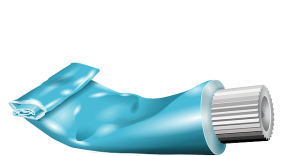

Common Over-the-counter treatments are less harsh on the skin than prescription creams. Typical ingredients include benzoyl peroxide, salicylic acid, and lactic acid. These ingredients are good for tackling mild to moderate acne.
You should probably try a few of these over-the-counter options before seeing a dermatologist. You might find one that works for you, and they will probably want to see that you have tried to treat your acne yourself.
It takes around a month to be able to tell if a cream is working, so give it time. You might see your acne appearing to get worse before it improves. This is often known as “purging”.
If you use one OTC treatment with benzoyl peroxide, for example, and it doesn’t work, then do not try another one with the same key ingredient because it will probably not work for you.
Prescription Creams
After trying these OTC products, you might decide that nothing is helping, and therefore, a visit to a dermatologist is a necessary next step. Retin-A and Differin are two examples of creams that a dermatologist can prescribe for use on your skin. The difference between these prescribed creams and a store-bought one is that they can be much more irritating and could cause peeling and redness.
The peeling happens because these creams encourage cells to shed and new ones to form, which prevents the follicles from being plugged. Doctors often recommend Retin-A for its ability to prevent acne scarring from forming.
Another type of medication they can prescribe to you is a topical antibiotic that will get into the pores and kill off acne bacteria. Sometimes an antibiotic cream will be combined with a benzoyl peroxide cream for dual action, such as in Duac.
Prescribed Antibiotics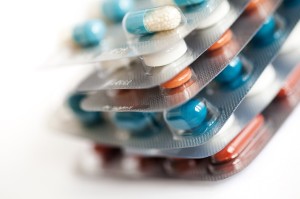
Moderate to severe acne needs a different approach, and this is where acne medication in the form of oral antibiotics comes into play. They can tackle acne-causing bacteria from the inside out and reduce inflammation.
You could be prescribed oral antibiotics alongside a cream for maximum results.
Antibiotics for acne can be helpful because they reduce the bacteria and inflammation that cause breakouts, especially in moderate to severe cases. But they’re not a perfect fix. Over time, your body (and the acne bacteria) can build resistance, making them less effective.
Plus, long-term use can mess with your gut health and cause side effects like dryness, sensitivity, or even yeast infections. They can work well when prescribed carefully and used short-term, but they’re rarely a long-term solution on their own.
Prescription Acne Medication (Accutane)
When acne becomes so bad that you get cysts and nodules, dermatologists have a “secret weapon” to use. It is called Accutane, a very powerful drug only given to people with very severe acne who are suffering badly with the condition.
It is seen as a last resort because there are unpleasant and dangerous side effects associated with these drugs. If you are on Accutane, you will need to be monitored closely, which means regular blood tests. One side effect of Accutane is birth defects in children born to women who take the drug. So you will need regular pregnancy testing alongside a prescribed contraceptive.
Hormonal Contraceptives
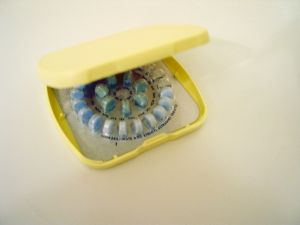
Hormonal contraceptives have also been shown to help acne in cases of hormonally caused acne. The theory behind this treatment is that it rebalances your hormones to stop the overproduction of oil.
There are side effects, though, such as a risk of deep vein thrombosis and blood clots. Women with a history of these problems in their family are advised not to take hormonal contraceptives.
Laser Treatment
Laser therapy is an option to complement acne medication or when meds alone haven’t worked. They are a way to reach deep into the skin without damaging the surface layer. Laser treatment is thought to affect oil glands, training them to produce less oil. Lasers can also kill off acne bacteria. Scientists have found that laser therapy can help improve acne scarring, too.
Laser treatment for acne is a popular option for those looking to reduce breakouts, scarring, and overall skin inflammation without daily medications or creams. There are several types of lasers used, including:
- blue light therapy (which targets acne-causing bacteria)
- pulsed-dye lasers (which reduce redness and inflammation)
- fractional lasers (which help resurface skin and improve scarring).
Most people need multiple sessions to see visible results, and while the procedure is non-invasive, it can cause temporary redness, swelling, or peeling. Laser therapy is especially appealing for people with resistant or hormonal acne who haven’t responded well to other treatments.
In the United States, the cost of laser acne treatment varies depending on the type of laser, the number of sessions needed, and the clinic’s location. On average, you can expect to pay between $250 – $600 per session, with full treatment plans often requiring 3 to 6 sessions or more.
That means total costs can range from $1,000 to over $3,000. Some dermatology offices offer package deals or financing options, but since laser treatments are usually considered cosmetic, they’re not typically covered by insurance.
Best Acne Treatment
Before you go ahead with expensive procedures or dangerous acne medication, make sure your skincare system is in place. ClearPores is an acne treatment kit designed for body and facial skin, and containing all-natural ingredients that balance your skin’s PH and sebum levels and unclog pores. Inflammation and redness are reduced to and when you use the kit every day, you will soon be well on your way to clear skin.
Click here for my full ClearPores review
Last Updated on July 7, 2025 by Aileen




Leave a Reply